Blog
Hedges and Edges
Author: Mike Clough
Date Posted: Wednesday 10th June 2026

0161 723 2000
8AM to 5PM
Author: Mike Clough
Date Posted: Wednesday 10th June 2026
Neat edges have always been a bugbear of mine – the edge of a path or the edge of a planting bed…or even simply the boundary edge of a site.
If the ‘edges’ aren’t done ‘properly’ I would suggest that the rest of the work will be below par – to me, poor edges suggest a lack of care.
I used to run a landscape design practice and every project I worked on, I pushed for edging materials to be clean and crisp with lines that enhanced the view by leading your eye along a neat boundary.
I always pushed for a clean site entrance so that when a client arrives, their first impression was one of order and quality.
I still make this point, even though we now deal with invasive species rather than ornamental garden design.
When herbicide spraying or carrying out earthworks and excavation, getting the edges correct and ensuring entrance areas are tidy – is vital to a neatly finished site.
I’m now expanding my obsession into hedges.
Hedges are another vital element of design, done well, they can define a site boundary and give a clearly defined enclosure. Done badly and they can immediately lower expectation and define a site as poorly managed and badly maintained.
I drive past a high quality housing plot on my way out of Glossop – a group of nine, expensive looking homes. Once the houses have been finished the builder put down a hedge to the boundary… but then has failed to maintain or water the plants.
They’re not all dead…but 90% are …and the whole estate looks sad and unkempt with brown crispy plants sitting sadly, wilting, around houses that are for sale for upwards of £700K ….
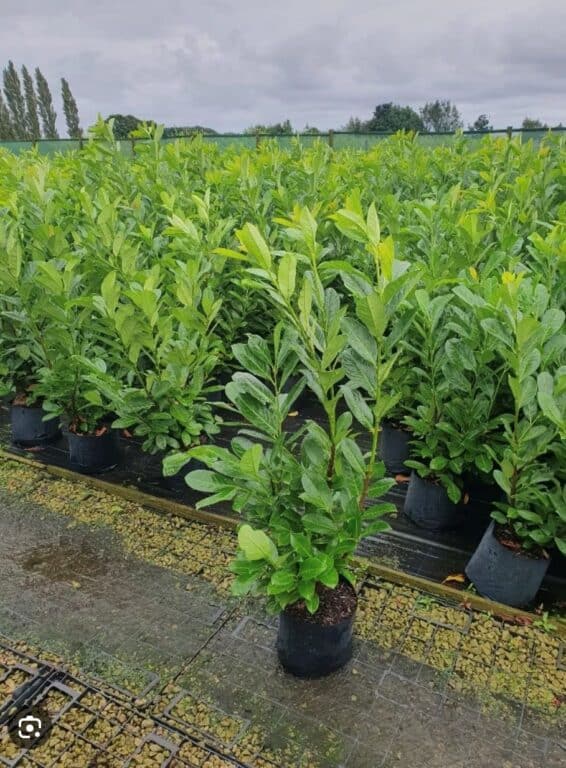
Yet hedging done properly can be a real asset to a development. All too often I see laurel hedges planted en-masse around new developments because it’s cheap and easy and evergreen …but from an ecology point of view it’s dull, it’s unimaginative… and it’s out of place. It’s also shows extremely rapid growth with toxic leaves and berries and a propensity to spread invasively into any nearby woodland.
Chosen carefully, a hedge can be beautiful and complimentary to the development and can offer year round interest….as well as giving the local wildlife a boost.
Swathes of flower with blossom that attracts insects, colourful foliage, lush leaves in summer as well as fruit, berries and nuts then winter branches touched with frost followed by spring growth of new leaves – our native hedges show the seasons well.
Deciduous hedges such as beech and hornbeam hang on to their leaves through winter creating a wind break and giving home to finches, tits and many small mammals which eat the seeds and nuts within the hedgerow.
If you must have an evergreen hedge there is holly, box or yew.
For security, if you want thorns then blackthorn and hawthorn can provide a deterrent to burglars.
Native mixed hedging is affordable, easy to keep on shape and will provide so much more than a boring laurel hedge.
So hedges and edges please – let’s get them done properly – then I can get off my soap box.
Rant over.
Mike C