Grants and Funding for Japanese Knotweed Removal

0161 723 2000
8AM to 5PM

Japanese knotweed, scientifically termed Reynoutria japonica, is one of the UK’s most notorious invasive species. Recognised by its bamboo-like appearance and rapid growth, it can cause significant structural damage to buildings, pavements, and natural habitats.
At JKSL, we help homeowners, businesses, landowners, and property professionals identify, manage, and treat Japanese Knotweed infestations using proven, compliant methods.
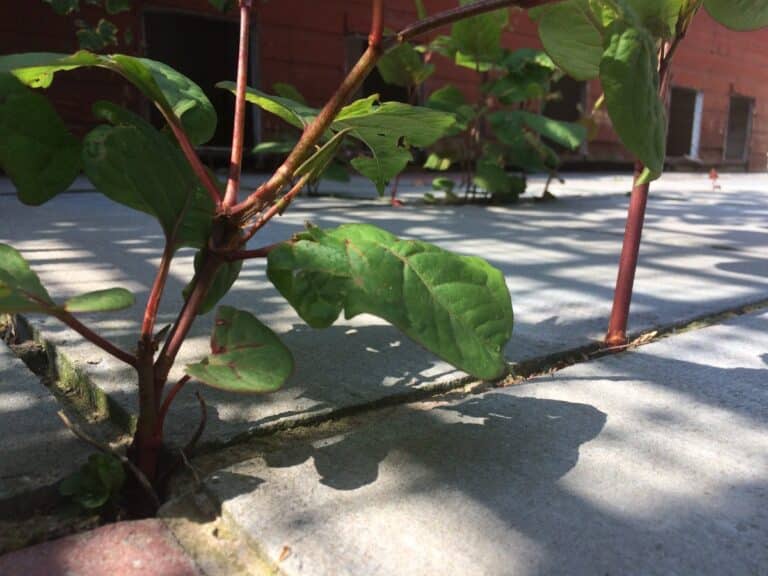
Japanese Knotweed can grow by up to 10cm per day during the peak growing season, allowing it to spread rapidly across gardens, development sites, and open land. If left untreated, it can exploit existing cracks and weaknesses in hard surfaces and structures, potentially leading to costly maintenance or repairs.
An unmanaged infestation may also:
Early identification and professional treatment can help prevent the problem from becoming more extensive.
From time to time, grants or funding schemes may be available to support the management of invasive species, including Japanese Knotweed. However, there is no standard UK-wide grant specifically for Japanese Knotweed removal, and funding opportunities can be limited.
Availability depends on a range of factors, including:
Some organisations that may occasionally offer support for relevant projects include:
As funding programmes change regularly, we recommend contacting the relevant organisation directly to determine whether any support is currently available and whether your project is eligible.
While the availability of funds can be a great relief, securing them often requires a well-prepared application. Here are some steps to consider:
1. Research: Before applying, ensure you fully understand the grant’s criteria and guidelines. Some grants might be specific to certain geographic areas, types of properties, or particular eradication methods.
2. Consult Experts: Engaging with specialists like JKSL can enhance your application. We can offer guidance on the best removal techniques and provide the necessary documentation to support your claim.
3. Provide Evidence: Grant providers often require evidence of the Japanese Knotweed infestation. This could be in the form of photographs, surveys, or reports. It’s crucial to show the extent of the problem and its impact on your property or land.
4. Outline Your Plan: Clearly detail how you intend to use the funds. Outline the removal methods, expected outcomes, and any post-removal maintenance plans. This shows the grant provider you have a comprehensive approach to tackling the issue.
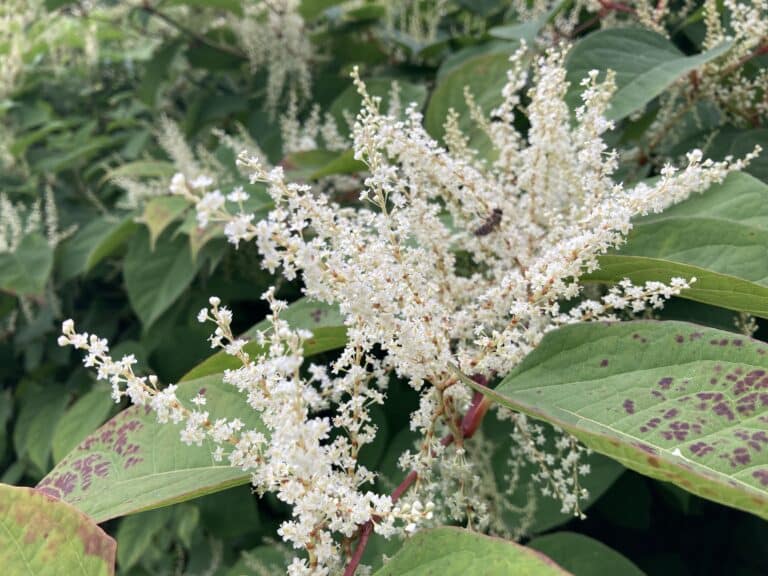
While JKSL cannot advise on, recommend, or confirm the availability of specific grants or funding schemes, we can provide the professional information you may need if you choose to apply for funding independently.
We can assist by providing:
We also offer comprehensive Japanese Knotweed treatment, removal, and monitoring services, ensuring all work is carried out in accordance with current UK legislation and industry best practice.
If you have discovered Japanese Knotweed on your property, our team can advise on the most appropriate treatment options and provide a clear, no-obligation quotation. If you are exploring funding, we’ll be happy to supply the technical documentation required for your application, although we are unable to advise on specific funding programmes or eligibility.
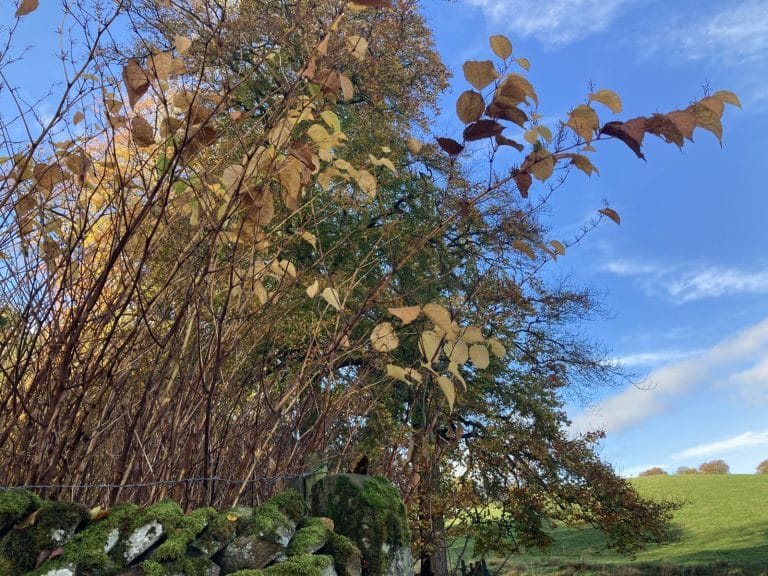
Japanese knotweed is not easy to manage, but with the right resources and expertise, it can be managed and eradicated. Grants and funding opportunities can provide valuable financial support for this endeavour. By staying informed and partnering with experienced professionals like JKSL, you can confidently tackle the challenge of Japanese knotweed on your property.