
 Knotweed News
Could You Identify Japanese Knotweed in Your Garden?
Author: Site Admin
Date Posted: Monday 29th November 2021

0161 723 2000
8AM to 5PM
Knotweed NewsAuthor: Site Admin
Date Posted: Monday 29th November 2021
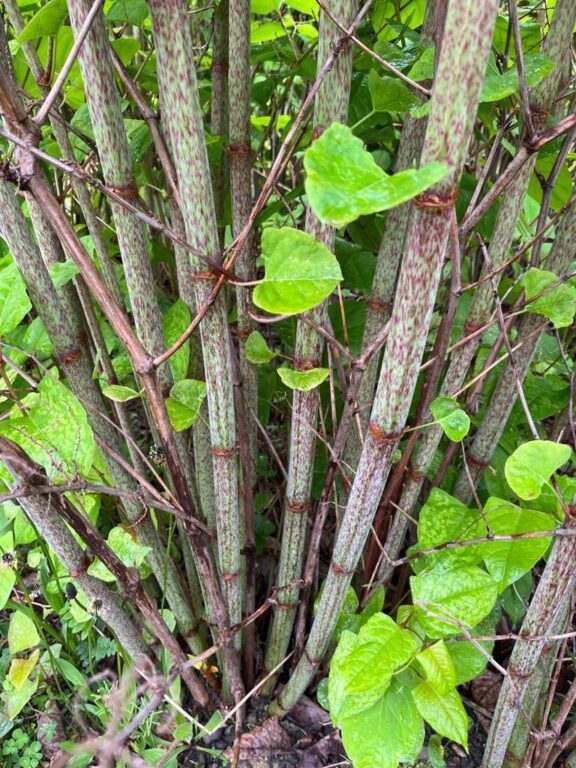
Japanese knotweed is one of the UK’s most aggressive invasive plants. Left untreated, it can spread rapidly, cause structural damage, and create serious complications for property sales and development projects.
Professional identification and specialist removal are essential to ensure the plant is fully eradicated and does not return. From domestic gardens and allotments to business parks and heritage estates, expert management provides peace of mind — along with the documentation often required for mortgages and future property transactions.
The first step in resolving any infestation is accurate identification.
While some property owners may recognise Japanese knotweed immediately, many are unsure what to look for. Understanding its distinctive characteristics can help you spot potential issues early.
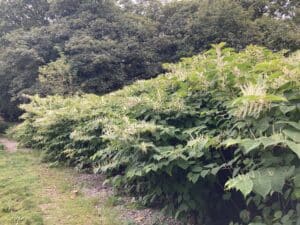
Japanese knotweed is a fast-growing, non-native perennial plant that can reach heights of up to 3 metres during peak season. Key identifying features include:
Large, shield- or heart-shaped green leaves
Hollow, bamboo-like stems with purple speckles
A distinctive zigzag stem pattern
Dense crown growth at ground level
It often begins as small, isolated patches. However, in favourable conditions — particularly if the soil is disturbed — it can spread quickly and aggressively.
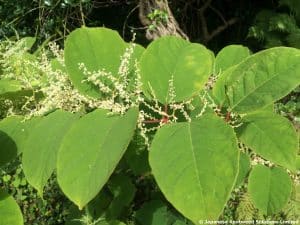
Japanese knotweed changes appearance throughout the year. Recognising these seasonal differences can make identification easier.
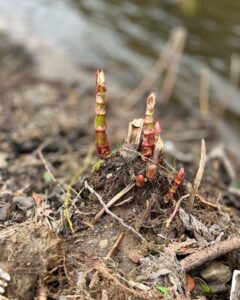
Reddish-purple buds emerge from the ground
Shoots resemble asparagus tips
Rapid vertical growth begins
Hollow stems with purple flecking reach up to 3 metres
Leaves alternate along the stem in a zigzag pattern
Dense foliage creates thick stands
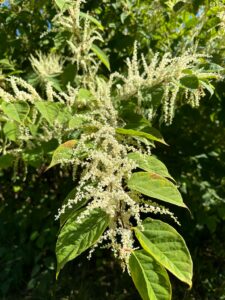
Creamy-white flowers form in plume-like clusters
Plants are at full maturity and highly visible
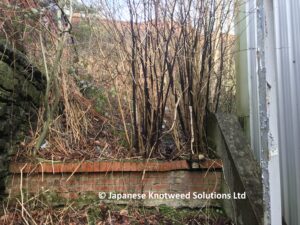
Above-ground growth dies back
Brown, brittle canes remain
Extensive underground rhizomes stay alive and dormant
It is important to understand that Japanese knotweed spreads primarily through its underground rhizome network. Even small fragments of root can regenerate into new plants, which is why improper removal often makes the problem worse.
Japanese knotweed remediation is not a standard gardening task. Attempting to remove it without specialist knowledge can:
Cause further spread
Increase long-term treatment costs
Lead to legal or property sale complications
Result in incomplete treatment
Because the plant can regrow from tiny fragments, hiring an experienced specialist is crucial. A reputable contractor will follow legislation and industry best practice, provide management plans, and issue documentation where required.
When selecting a Japanese knotweed removal company, take time to ensure they:
Specialise in invasive plant remediation
Offer clear treatment plans
Provide guarantees or insurance-backed warranties
Understand current environmental regulations
Working with a dedicated specialist ensures the infestation is handled correctly — whether for a private residence, housing development, or large commercial site.
If you suspect Japanese knotweed on your property, early action is key. Professional identification and a tailored remediation plan will prevent further spread and protect your property’s value.
Contact our team today to discuss your situation, or visit our service pages to learn more about managing minor and major infestations.


23 Articles
Forem ipsum dolor sit amet, consectetur adipiscing elit. Etiam eu turpis molestie, dictum est a, mattis tellus.
View Articles by Author